Watercolor Flora Wedding Invitation Card: A Touch of Organic Elegance
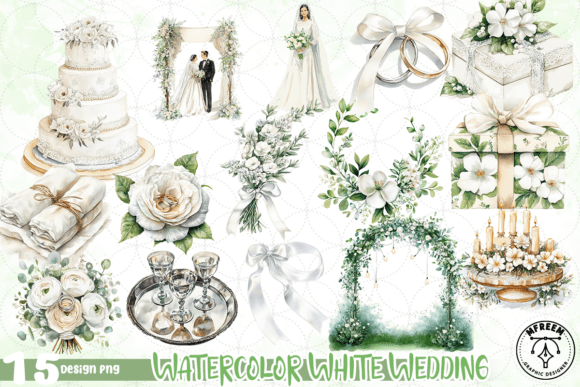
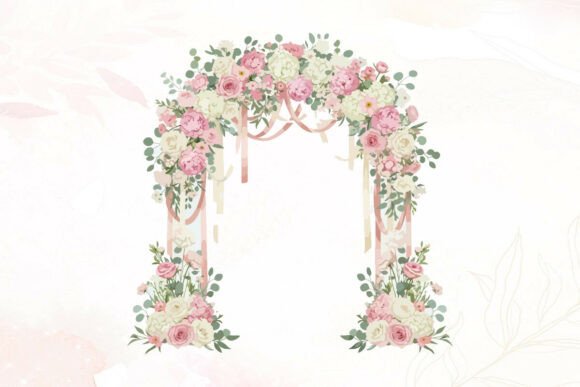
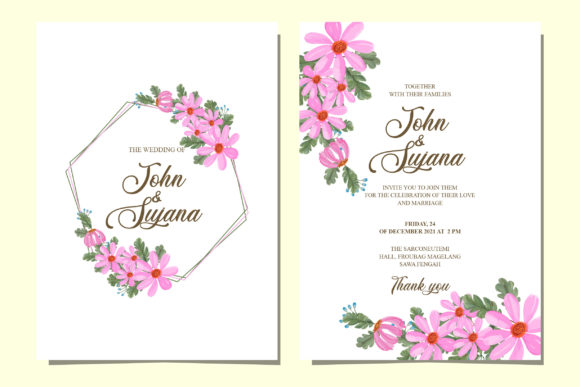
There’s a particular kind of magic in a hand-painted watercolor floral design—the soft bleed of pigment, the delicate veins in a leaf, the way a rose seems to bloom right off the page. For designers and creators, capturing that organic, artisanal feeling in a digital project can be challenging. That’s precisely where a thoughtfully crafted asset like the Watercolor Flora Wedding Invitation Card template shines. It’s not just a static file; it’s a versatile foundation for projects that demand warmth, sophistication, and a connection to nature. Built with beautiful floral vectors of roses and leaves, it offers a starting point that feels both personal and professionally polished.
Beyond the Wedding Suite: A Versatile Design Asset
While its name suggests a single purpose, the true value of this elegant wedding invitation template design lies in its adaptability. The core visual language—soft watercolor washes, intricate botanical illustrations, and a harmonious color palette—translates seamlessly across numerous applications. Think of it as a design system rather than a one-off template. For a small business owner launching a skincare line, the floral elements can frame product labels, creating packaging that feels luxurious and natural. A content creator can use the motifs to design consistent social media graphics for a lifestyle blog, establishing an instantly recognizable brand aesthetic. The editable nature of the file means you can isolate the roses for a logo, use the leaves as a subtle pattern for a website background, or adapt the entire layout for a print-on-demand poster or tote bag.
The practicality extends to maintaining visual consistency across a brand identity. Using the same floral vectors from this template on your business card, email newsletter header, and product hang tags creates a cohesive story. This repetition builds brand recognition and communicates a clear message of elegance and attention to detail. For entrepreneurs, this level of professionalism in presentation can be a significant differentiator, making a brand feel established and trustworthy from the very first interaction.
Mastering Personalization: Making the Template Your Own
The phrase “easy to personalize by yourself” is a key feature, but it’s worth exploring what that means in practice. The file is designed for straightforward editing, allowing you to change text, swap colors, and adjust layouts without needing advanced design skills. This empowers a hobbyist creating invitations for a friend’s bridal shower just as much as it does a marketing professional developing a campaign for a floral shop. You can modify the color scheme to match a specific wedding theme—perhaps shifting from soft pinks to moody burgundies—or change the script font to a different style to alter the overall tone from romantic to modern.
A common challenge with pre-made assets is finding the right typographic pairing. The original design likely uses a beautiful script or handwritten font for names and a clean serif or sans-serif for details. A practical tip is to test your own font pairings within the template. If the original script feels too formal, try a more relaxed handwritten font. If you need to include a lot of information, ensure the body text font remains highly readable at smaller sizes. This process of testing is crucial. Export a mockup and view it on different devices or print a test sheet to check legibility. The goal is to ensure the final product is not only beautiful but also functional for its intended use, whether it’s a digital save-the-date or a printed menu.
Strategic Applications for Creatives and Businesses
Let’s break down specific, real-world scenarios where this asset provides tangible value:
- Branding & Logo Design: Extract a single rose or a sprig of leaves to create a unique logo mark for a boutique, a photographer, or a café. The watercolor texture adds an organic, handmade quality that stock vector icons lack.
- Packaging & Merchandise: Apply the floral pattern to gift boxes, shopping bags, or notebook covers. For a direct-to-consumer brand, this elevates the unboxing experience, turning packaging into a marketing tool.
- Digital Presence: Use the design elements to create a cohesive look for a website or blog. Feature the watercolor header on the homepage, use the floral divider between sections, and create matching social media story templates and Pinterest pins.
- Marketing & Editorial: Design elegant flyers for a local garden party, create sophisticated sales sheets for a floral designer, or lay out a magazine feature on botanical weddings. The template provides a structured yet flexible grid.
- Invitations & Stationery: The obvious use, but expand it beyond weddings. Think baby showers, milestone birthdays, garden party invitations, or even corporate event invites for a florist or botanical garden. The editable nature allows for endless customization for each client or personal project.
Choosing and Testing for Maximum Impact
When integrating a design asset like this into your workflow, a few practical considerations ensure success. First, consider the licensing. Always verify that the template includes a commercial license if you plan to use it for client work or products for sale. This protects you and your business legally. Second, review the included styles and elements. Does the file come with multiple color variations or separate floral elements? Understanding the full toolkit allows for more creative freedom.
Third, readability is paramount. The ornate details of the watercolor flora should complement, not compete with, your text. Ensure there is sufficient contrast between text and background, especially for critical information like dates, times, and RSVP details. If using the design for a website, test it across browsers and mobile devices to ensure the delicate details render well and the text remains crisp.
Finally, think about font pairing and hierarchy. If you introduce a new typeface, maintain a clear hierarchy. A common and effective approach is to pair a decorative script font (used sparingly for headlines or names) with a highly legible serif or sans-serif font for body copy. This balance captures the elegance of the floral design while ensuring all information is easily digestible. The power of a resource like the Watercolor Flora Wedding Invitation Card template is that it provides a professional, visually stunning foundation. Your expertise in personalization, strategic application, and thoughtful execution is what transforms it from a generic asset into a cornerstone of your brand’s visual story.